Female Genital Pain and Pain During Sex: What Causes It?
Clitoria Sexual Health Clinic, Pelvic Examination Clinic, Phetkasem 81, Bangkok
Friendly doctors, Home-like atmosphere, sex-positive and non-judgmental care.
Female Genital Pain and Pain During Sex: What Causes It?
Female Genital Pain Is Not Something You Have to Endure
Female genital pain may occur on the external genital skin, around the vaginal opening, inside the vagina,
or may be felt deeper in the lower abdomen, rectal area, or pelvis.
There are many possible causes, ranging from friction, vaginal dryness, infection, and skin inflammation to pelvic floor muscle tightness and pelvic conditions such as pelvic inflammatory disease, endometriosis, fibroids, or ovarian cysts.
If the pain keeps coming back or causes you to avoid sexual activity, it is not something women are expected to tolerate. There is also no reason to feel embarrassed about seeking medical care.
Identifying the location and underlying cause of the pain with a doctor can help guide appropriate treatment more effectively than repeatedly using medication without knowing what is causing the symptoms.
Quick Summary: Pain during sex can generally be divided into two major patterns: superficial pain and deep pain. Each type tends to have different possible causes and may require different examinations.
Someone might find our Clinic too far from their places
***Please check Google Map Before Booking : Location
Whatsapp: 66081-116-3788 | LINE @dr.clitoria
Table of Contents
> Symptoms of Female Genital Pain
> Difference Between Superficial and Deep Dyspareunia
> Causes of Dyspareunia / Genital Pain
> Diagnosis of Female Genital Pain
> How Is Female Genital Pain Treated?
> Pricing
Symptoms of Female Genital Pain
Female genital pain may be present all the time or may occur only when triggered by touch, tampon insertion, pelvic examination, exercise, prolonged sitting, or sexual intercourse.
Pain during sexual intercourse is medically known as dyspareunia. Physical, muscular, neurological, hormonal, and psychological factors may all contribute.
People may describe the pain in different ways, eg. burning like an open wound, cutting pain, needle-like pain, a tearing sensation, heat around the vaginal opening, tightness that prevents penetration, or deep aching and pressure in the lower abdomen as if something is being hit internally.
Describing exactly where the pain occurs and when it starts can therefore provide important clues for identifying the cause.
Pain During Sex Can Be Divided Into Two Main Types
1. Superficial Dyspareunia
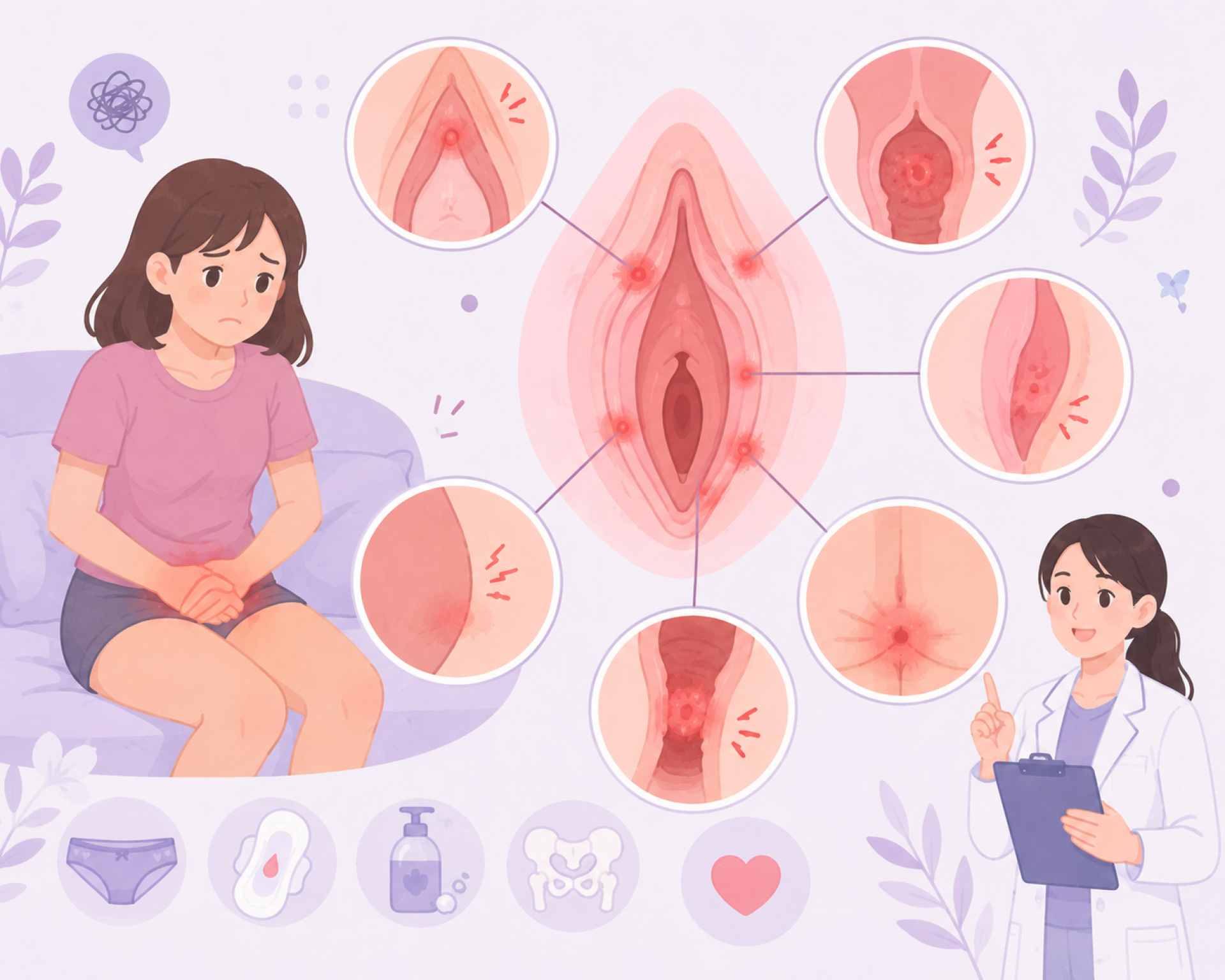
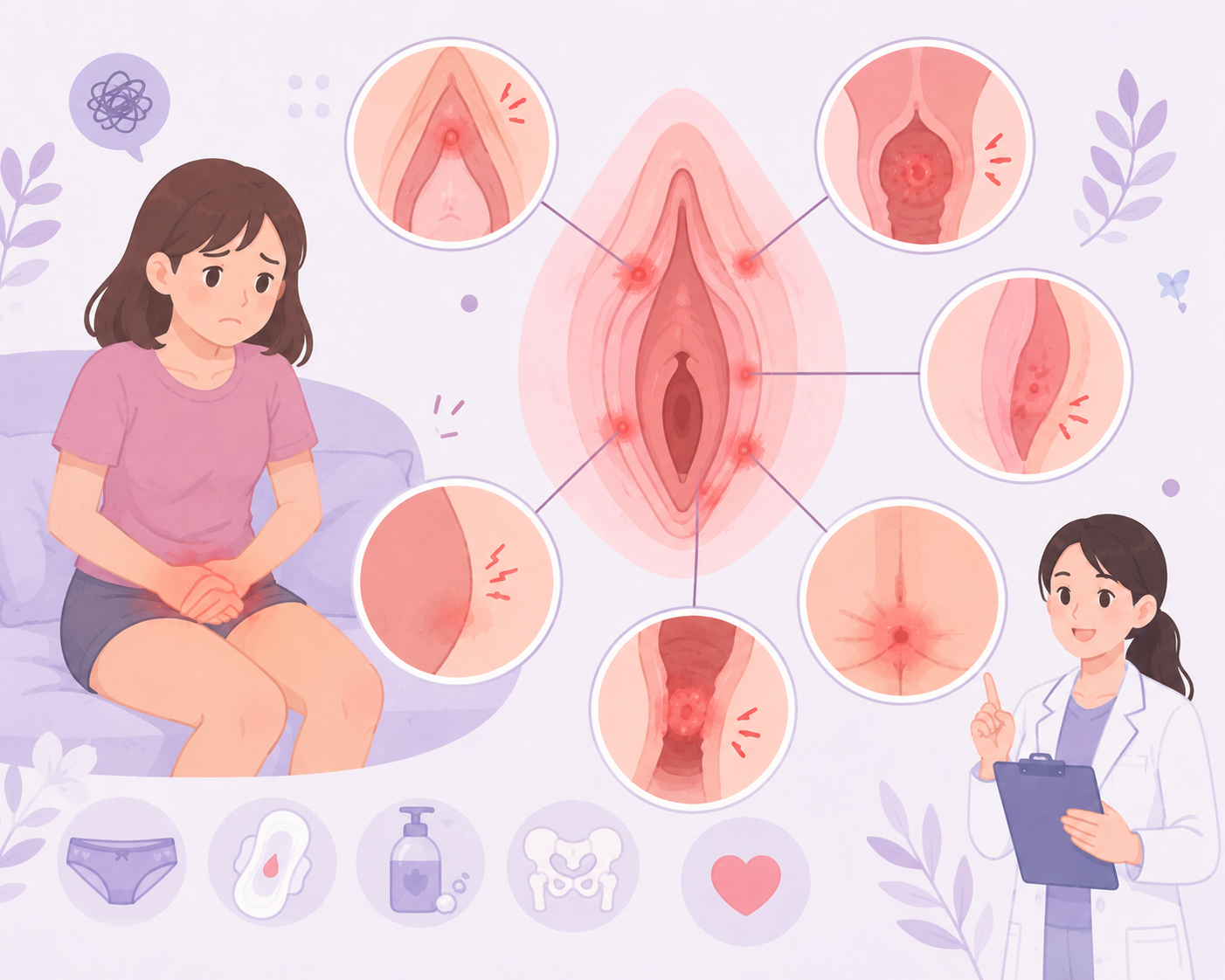
Superficial dyspareunia refers to pain around the external genital area, vaginal opening, or pain that begins immediately when penetration starts. Symptoms may include burning, heat, itching, a skin-splitting sensation, or a feeling that the vaginal opening is tightly closed and penetration is not possible.
Common locations include:
- Labia majora or labia minora
- Around the clitoris
- Vaginal opening
- Lower vaginal wall near the opening
- Perineum or scars from childbirth or surgery
2. Deep Dyspareunia
Deep dyspareunia refers to pain felt deeper inside the vagina, lower abdomen, or pelvis. It is usually more noticeable with deep penetration or thrusting and may worsen in certain sexual positions.
Common symptoms include:
- Deep aching, pressure, or cramping in the lower abdomen
- Pain radiating to the back, buttocks, or rectal area
- Pain on one side of the pelvis
- Pain that continues after sexual intercourse
- Pain associated with the menstrual cycle
Difference Between Superficial and Deep Dyspareunia?
| Feature | Superficial Pain | Deep Pain |
|---|---|---|
| Location | External genital area, vaginal opening, or lower vagina | Deep vagina, lower abdomen, or pelvis |
| When Pain Starts | Pain begins with touch or initial penetration | Pain occurs with deep penetration or thrusting |
| Sensation | Burning, heat, itching, skin pain, tightness, wound-like pain, or a tearing sensation | Deep aching, pressure, pain radiating to the back or rectum, or a sensation of being hit internally |
| Possible Causes | Vaginal dryness, irritation, infection, skin conditions, wounds, or pelvic floor muscle tightness | Endometriosis, pelvic inflammatory disease, ovarian cysts, pelvic floor muscle dysfunction, fibroids, or pelvic organ prolapse |
Some people experience both superficial and deep pain at the same time.
Therefore, identifying one type of pain does not necessarily mean there is only one underlying cause.
Causes of Superficial Dyspareunia
1. Vaginal Dryness or Inadequate Lubrication
When the tissues around the vaginal opening and vagina are not adequately lubricated, penetration may cause friction, burning, pain, or small abrasions. This can occur even in people of reproductive age and does not necessarily mean that they do not love their partner, do not want sex, or are not sexually aroused.
- Insufficient foreplay or penetration before the body is physically ready
- Lower estrogen levels during breastfeeding or perimenopause
- Certain medications that may reduce mucosal moisture, such as antihistamines
- Stress, anxiety, or fear of pain
- Prolonged penetration or excessive friction
2. Irritation or Allergic Reaction to Products
Genital skin is sensitive. Certain products may cause rash, burning, itching, swelling, or pain during touch and penetration, including fragranced soaps, feminine washes, deodorizing sprays, sanitary products, condoms, or certain lubricants.
3. Vaginal and Genital Infections
Some infections can inflame the vaginal lining and external genital skin, causing burning, itching, swelling, painful urination, or pain during sex. Abnormal vaginal discharge or odor may also occur.
- Vaginal yeast infection
- Bacterial vaginosis
- Trichomoniasis
- Gonorrhea or chlamydia
- Genital herpes
- Urinary tract infection
4. Wounds, Abrasions, or Injury
Female genital pain may result from abrasions after sexual intercourse, scratching, shaving or waxing, exercise involving friction, or tight clothing. Other causes may include genital herpes sores, genital ulcers, cysts, abscesses, or inflammation of the Bartholin gland.
5. Genital Skin Conditions
The genital area can develop dermatological conditions just like other parts of the body. Examples include contact dermatitis, eczema, psoriasis, lichen sclerosus, and lichen planus. These conditions may cause itching, burning, thinning or cracking of the skin, and pain with touch.
6. Chronic Vulvar Pain
Persistent pain around the vulva or vaginal opening without a clear infection or visible lesion explaining the symptoms may fall under conditions such as vulvodynia or vestibulodynia. Patients commonly describe burning, heat, sharp pain, or increased sensitivity to touch around the vaginal opening.
7. Pelvic Floor Muscle Tightness or Vaginismus
The muscles around the vaginal opening may tighten involuntarily when penetration is attempted.
Patients usually cannot consciously control this response and may feel severe tightness, as if there is a wall blocking the vaginal opening, making penetration difficult or impossible.
This may occur during sexual intercourse, finger insertion, tampon or menstrual cup use, or pelvic examination.
There may be multiple contributing factors, including physical factors, anxiety, beliefs, cultural influences, previous uncomfortable sexual experiences, or relationship difficulties.
8. Scarring After Childbirth or Surgery
Episiotomy scars, childbirth-related tears, or surgery around the vaginal opening may cause tissue tightness, increased sensitivity, or localized pain when penetration begins.
Causes of Deep Dyspareunia
1. Endometriosis
Endometriosis can cause inflammation and scar tissue within the pelvis. Symptoms may include deep pain during penetration, severe menstrual cramps, chronic pelvic pain, pain during bowel movements around menstruation, or difficulty becoming pregnant.
2. Infection or Pelvic Inflammatory Disease
An infection of the cervix may spread upward to the uterus and fallopian tubes, causing pelvic inflammatory disease (PID). Symptoms may include lower abdominal pain, deep pain during sex, abnormal vaginal discharge, bleeding after sex, bleeding between periods, or fever.
3. Ovarian Cysts or Masses
Some ovarian cysts may cause pain on one side of the lower abdomen, abdominal pressure or fullness, or deep pain during penetration.
4. Uterine Fibroids or Conditions That Enlarge the Uterus
Fibroids in certain locations may cause abdominal pressure, pelvic heaviness, heavy menstrual bleeding, frequent urination, or deep pain during intercourse.
5. Pelvic Floor Muscle Dysfunction
Pelvic floor muscles that remain overly tense or do not relax properly may cause both superficial pain around the vaginal opening and deep pain within the pelvis.
6. Bladder or Bowel Conditions
Deep pain may sometimes be associated with bladder inflammation, bladder pain syndrome, irritable bowel syndrome, constipation, or other bowel conditions.
7. Scar Tissue or Changes After Surgery
People who have undergone abdominal or pelvic surgery may develop adhesions or changes in tissue and nerve sensitivity, which can cause pulling sensations or deep pain in certain positions.
How Can Psychological, Emotional, and Relationship Factors Affect Female Genital Pain?
Pain during sex is a real physical symptom. However, the nervous system, stress, anxiety, uncomfortable past experiences, and feelings of insecurity can increase muscle tension and make the nervous system more sensitive to pain.
In some cases, physical treatment may be combined with psychotherapy or counseling with a sexologist or psychologist.
Do Not Force Yourself to Continue Sexual Activity When It Hurts
Continuing penetration despite pain may increase friction, cause wounds, and reinforce the body's pain response, leading the muscles to tighten even more.
You can stop, and communicate with your partner without feeling guilty.
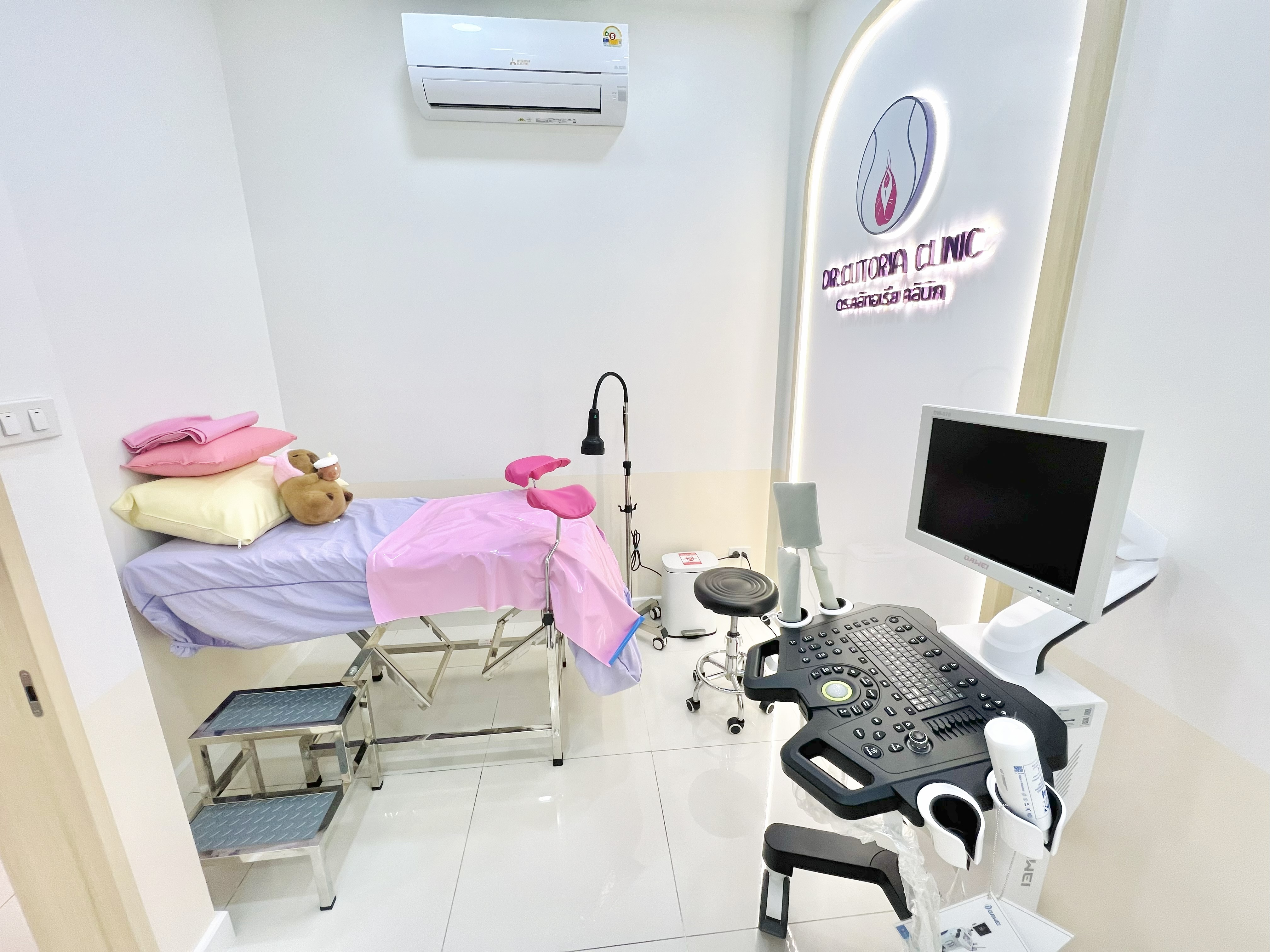
Clean and friendly environment at Dr.Clitoria Clinic
Diagnosis of Female Genital Pain
Diagnosis does not rely on pelvic examination alone. It begins with a detailed medical history.
The doctor will assess where the pain occurs, when it begins, whether there are other associated symptoms, and whether any specific event or situation triggers the concern.
Information that may help with the evaluation includes:
- Whether the pain is external, around the vaginal opening, or deep in the lower abdomen
- Whether pain begins with touch or only with deep penetration
- Whether the pain occurs every time or only occasionally
- Whether pain occurs only in certain sexual positions
- Whether there is itching, burning, vaginal discharge, odor, or painful urination
- Whether there is bleeding after sex or other abnormal bleeding
- Whether the pain is related to the period before or during menstruation
- Any history of childbirth, surgery, or pelvic injury
- Use of medications, hormones, or contraceptives that may be related to the symptoms
- Any anxiety, fear, beliefs, relationship concerns, or previous experiences that may cause the body to tense during penetration
Examinations are selected only as needed according to the patient's symptoms and consent.
External Genital Examination
The doctor examines the skin around the labia, vaginal opening, clitoris, and perineum for rashes, sores, bumps, lumps, swelling, abrasions, or skin conditions that may be causing the pain.
Examination of the Vaginal Opening
For patients with superficial pain, the doctor may assess areas that are sensitive to touch using a Cotton Swab Test.
The doctor may also assess whether the pelvic floor muscles are tightening. The examination should be performed gently and can be stopped at any time if the patient feels uncomfortable.
Pelvic Examination
The doctor may consider a pelvic examination to evaluate the vagina, cervix, uterus, and pelvic area.
The examination may also help identify areas that are unusually tender when pressed.
However, for patients who have severe pain or are not ready for a standard pelvic examination, the examination method can be adjusted appropriately for each individual.
Vaginal Discharge and Infection Testing
If genital pain occurs together with abnormal vaginal discharge, the doctor may collect a discharge sample to test for possible infections such as yeast, bacteria, Trichomonas, gonorrhea, chlamydia, or other infections depending on the symptoms.
Identifying the infection can help reduce unnecessary use of antimicrobial medications, especially in patients with chronic vaginal discharge, symptoms that have not improved after repeated treatment, or frequent recurrence.
Ultrasound / Biopsy
Patients with deep pain, lower abdominal pain, abnormal menstruation, or suspected pelvic disease may require an ultrasound examination.
Ultrasound may be used to evaluate the uterus, ovaries, cysts, or other masses.
If a skin growth or abnormal tissue is found, a biopsy may be considered for diagnosis.
Important: If you have previously experienced severe pain during a pelvic examination, you can tell your doctor before the examination. The examination can be adjusted according to your symptoms and comfort level.
How Is Female Genital Pain Treated?
1. Pain Caused by Vaginal Dryness or Friction
Treatment may begin by allowing more time for foreplay, using an appropriate lubricant, and stopping penetration if burning or pain begins.
For patients with low estrogen levels, such as those in perimenopause, menopause, or certain periods after childbirth and during breastfeeding, the doctor may consider additional hormone therapy depending on age, medical history, and individual contraindications.
2. Pain Caused by an Infection
Treatment should be based on the specific infection identified, such as yeast, bacterial infection, or a sexually transmitted infection. Repeated use of antimicrobial medications or vaginal suppositories without knowing the cause is not recommended.
If certain sexually transmitted infections are diagnosed, sexual partners may also need evaluation and treatment. Sexual activity may need to be avoided for the period recommended by the doctor to reduce the risk of reinfection.
3. Pain Caused by Skin Condition or Irritation
Products that trigger allergy or irritation should be avoided, such as fragranced soaps, vaginal cleansing products, sprays, or fragranced products.
Skin conditions should be treated according to the diagnosis made by the doctor.
Do not use steroid creams, antifungal medications, or multiple antimicrobial treatments at the same time without knowing the cause, as this may worsen irritation or make the underlying condition more difficult to identify.
4. Pelvic Floor Muscles Dysfunction or Spasm
Treatment may focus on pelvic floor muscle relaxation, breathing techniques, muscle control exercises, and pelvic floor physical therapy.
Some patients may use a vaginal dilator or other devices for gradual penetration training under appropriate guidance. The goal is not to force the body to tolerate pain, but to help the nervous system and muscles learn that touch and penetration can occur without pain.
Psychotherapy and counseling with a sexologist or psychologist may also be helpful in exploring psychological or emotional factors that trigger muscle tightening, including anxiety, relationship concerns, beliefs, or previous experiences, and in developing appropriate relaxation strategies.
5. Vulvodynia or Vestibulodynia
Chronic vulvar pain may require a combination of treatments, including skin care, moisturizers, lubricants, reducing triggers, pelvic floor physical therapy, medications for neuropathic pain, and emotional or sexual health support when needed.
6. Endometriosis or Another Pelvic Condition
Treatment depends on the condition identified, the severity of symptoms, age, fertility plans, and other health factors. Options may include medication, hormonal treatment, pain management, or surgery in some cases.
7. If the Pain Affects Emotions and Relationships
When pain continues for a long time, some patients may become afraid of penetration, avoid sexual activity, or worry about disappointing their partner. Safe communication about sex, consultation with a sexologist, or sex therapy may be part of treatment for some people, alongside appropriate evaluation of physical causes.
Seek urgent medical care if you develop sudden severe lower abdominal pain, high fever, dizziness, fainting, severe vomiting, heavy abnormal bleeding, or any of these symptoms during pregnancy or when pregnancy is suspected.
Evaluation of Female Genital Pain at Clitoria Sexual Health Clinic
At Clitoria Sexual Health Clinic, our consultations are sex-positive and non-judgmental.
You do not need to feel embarrassed when discussing details related to sexual activity.
Important information can help the doctor identify the possible cause more accurately.
Pelvic Examination and Diagnostic Service Prices
- Physical examination and pelvic examination by a doctor 1,390 THB
- Uterus and ovary ultrasound 1,990 THB
- Biopsy 6,500 THB
- Sexually transmitted infection and infection testing >> Click Here
Additional tests depend on the patient's symptoms and the doctor's assessment.
Someone might find our Clinic too far from their places
***Please check Google Map Before Booking : Location
Tel: 081-116-3788 | LINE @dr.clitoria
Email: dr.clitoria@gmail.com | WhatsApp: 660811163788
Meta Description
Female genital pain, external genital pain, pain during sex, or genital pain with vaginal discharge may be caused by vaginal dryness, infection, pelvic floor muscle tightness, or pelvic conditions. Learn the difference between superficial and deep dyspareunia, possible causes, diagnosis, and treatment options.
Keywords
female genital pain, female genital pain during sex, external genital pain, genital pain with vaginal discharge, pain during penetration, vaginal pain, pain at vaginal opening, superficial dyspareunia, deep dyspareunia, dyspareunia