Genital Warts: How Get Rid? Can They Go Away on Their Own?
Clitoria Sexual Health Clinic, Pelvic Examination Center, Phetkasem 81, Bangkok
Friendly doctors, Home-like atmosphere, sex-positive and non-judgmental care.
What Causes Genital Warts? How To Treat?
Can They Go Away on Their Own?
FAQ About Genital Warts: Can You Treat Them Yourself,
Can They Be Cured Completely, and Where Should You Get Treatment?
What Are Genital Warts?
Genital warts are lesions that appear around the genital area or anus.
They may appear as small skin-colored, pink, or darker bumps with a rough surface, sometimes resembling cauliflower, or they may appear as multiple clustered bumps.
Some people may experience itching, irritation, pain, or bleeding from friction. However, some people have no pain at all and may not realize they are infected.
Genital warts are common and do not mean that a person is dirty or has done anything wrong. They can occur in anyone of any gender or age who has sexual contact or skin-to-skin genital contact with someone carrying the virus.
What Causes Genital Warts?
Genital warts are caused by HPV, or Human Papillomavirus.
HPV spreads through direct skin-to-skin contact, especially around the genital area, anus, or nearby intimate skin.
- Vaginal, anal, or oral sex with someone who carries HPV
- Skin contact or friction with an infected area, even without penetration
- Condoms can reduce the risk, but they cannot protect 100% because HPV may be present on skin not covered by a condom
- People with lower immunity or multiple sexual partners may have a higher risk
Many people acquire HPV without developing symptoms right away. In some cases, the virus may remain silent in the body for a period of time before visible lesions appear.
Therefore, genital warts should not be used to judge whether someone is at fault or has been unfaithful, because HPV can stay inactive for a long time.
How Long After HPV Exposure Do Genital Warts Appear?
The incubation period for genital warts varies from person to person.
In most cases, visible warts develop within approximately 3 weeks to 8 months after exposure to HPV, with an average incubation period of about 23 months.
Some individuals may carry HPV for months or even years without developing visible warts because their immune system suppresses the virus.
As a result, it is often impossible to determine exactly when or from whom the infection was acquired.
Are Genital Warts Easily Contagious?
Yes. Genital warts are considered highly contagious because HPV spreads through direct skin-to-skin contact.
- Vaginal intercourse
- Anal intercourse
- Oral sex
- Genital skin-to-skin contact without penetration
Condoms help reduce the risk of HPV transmission but cannot provide complete protection because HPV may infect surrounding skin that is not covered by the condom.
Transmission can occur even when the infected person has no visible warts.
Are Genital Warts Dangerous?
In most cases, genital warts themselves are not life-threatening.
They are usually caused by HPV types 6 and 11, which are considered low-risk HPV types and are rarely associated with cancer.
However, genital warts may:
- Increase in size and number if left untreated
- Spread to sexual partners
- Cause discomfort, itching, bleeding, or pain
- Affect self-confidence and quality of life
Although low-risk HPV types do not usually lead to cancer, it is still important to undergo appropriate medical evaluation because some individuals may also be infected with high-risk HPV types that can increase the risk of cervical, anal, penile, vulvar, vaginal, or oropharyngeal cancers.
Can Genital Warts Go Away on Their Own?
Sometimes they can.
In people with a strong immune system, the body's natural defenses may gradually suppress HPV, allowing small genital warts to disappear without treatment.
However, it is impossible to predict which warts will resolve spontaneously and which will continue to grow.
Waiting without treatment may result in:
- Larger warts
- More numerous lesions
- Higher risk of transmitting HPV to sexual partners
- More complicated treatment later on
For these reasons, most clinical guidelines recommend early evaluation and treatment rather than waiting for genital warts to disappear naturally.
How To Treat Genital Warts?
The appropriate treatment depends on the size, number, location, and severity of the warts, as well as the patient's preference.
Current international guidelines recommend several effective treatment options. Each method has its own advantages and limitations.
1. Topical Treatment
Topical medications are suitable for small genital warts or early-stage lesions.
Common options include Trichloroacetic Acid (TCA), which is applied directly to the wart by a healthcare professional.
Advantages:
- No surgery required
- Suitable for small lesions
- Lower treatment cost
Limitations:
- Usually requires 3-15 treatment sessions
- Less effective for large or multiple warts
2. Cryotherapy (Liquid Nitrogen Freezing)
Cryotherapy destroys wart tissue by applying extremely cold liquid nitrogen.
The frozen tissue gradually dies and falls off over the following days.
Advantages:
- Quick outpatient procedure
- No surgical incision
- Suitable for small to medium-sized lesions
Limitations:
- 3-6 treatment sessions may be required
- Temporary swelling or blistering may occur
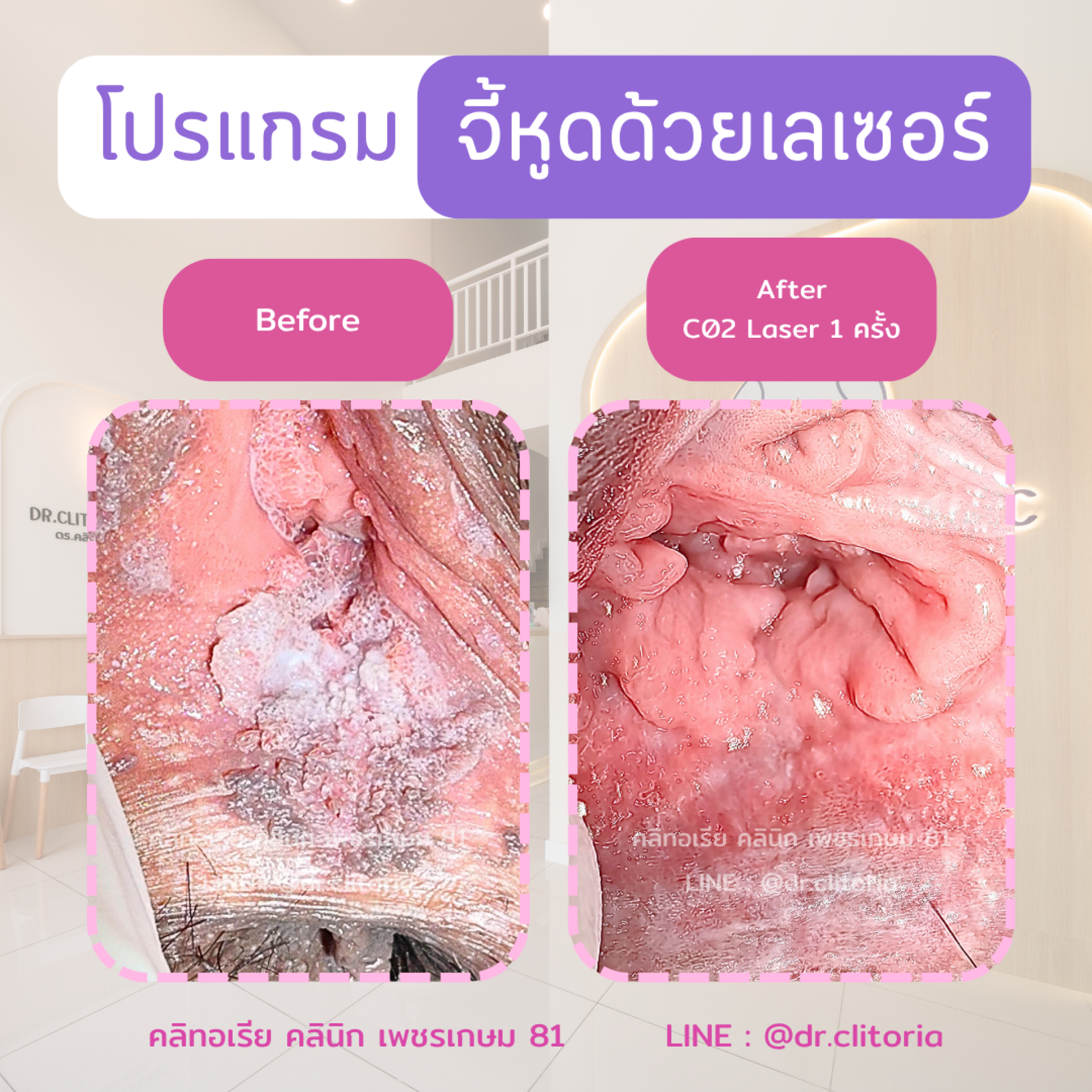
3. CO Laser Treatment
CO laser treatment vaporizes wart tissue using highly focused laser energy.
It is particularly suitable for multiple, recurrent, or larger genital warts.
Advantages:
- Highly precise treatment
- Immediate removal of visible warts
- Suitable for difficult or extensive lesions
- Often requires 1-3 treatment sessions
Limitations:
- Higher cost than topical treatment or cryotherapy
- Requires local anesthesia
4. Surgical Excision
Surgical removal may be recommended for very large genital warts, giant condyloma, or lesions that do not respond well to other treatment methods.
The procedure is performed by a qualified physician under appropriate anesthesia.
Can You Treat Genital Warts Yourself?
Self-treatment is generally not recommended.
Over-the-counter wart removers intended for common hand or foot warts should never be used on the genital area because they may cause severe burns, scarring, and unnecessary pain.
Many skin conditions resemble genital warts, including skin tags, molluscum contagiosum, pearly penile papules, vestibular papillomatosis, and certain skin tumors. Proper diagnosis by a healthcare professional is important before starting treatment.
Can Genital Warts Be Completely Cured?
Current treatment removes the visible genital warts, but it does not completely eliminate HPV from the body.
In many people, the immune system gradually suppresses the virus over time, reducing the likelihood of recurrence.
Even after successful treatment, regular follow-up is recommended because genital warts can recur, particularly during the first few months after treatment.
How Long Does Genital Wart Treatment Take?
The duration of treatment depends on several factors, including the size, number, and location of the warts, as well as the treatment method selected.
- Small genital warts may require only one or two treatment sessions.
- Larger or multiple lesions often require several treatment sessions.
- Recurrent warts may need additional follow-up treatment.
Early treatment generally results in shorter treatment time and better outcomes.
Can You Receive the HPV Vaccine After Having Genital Warts?
Yes. HPV vaccination is still recommended even if you have previously had genital warts or have already received treatment.
Although the vaccine does not treat existing genital warts, it helps protect against additional HPV types and lowers the risk of future HPV-related diseases.
The best time for vaccination should be discussed with your healthcare provider based on your medical history.
Can People with Genital Warts Have Children?
Yes. In most cases, having genital warts does not affect fertility or the ability to become pregnant.
However, women who are pregnant or planning pregnancy should consult their doctor because genital warts may enlarge during pregnancy due to hormonal changes.
Treatment recommendations during pregnancy may differ from those for non-pregnant patients.
Where Should You Get Treatment for Genital Warts?
Genital wart treatment should be provided by healthcare professionals experienced in diagnosing sexually transmitted infections and genital skin conditions.
A proper examination helps confirm the diagnosis, select the most appropriate treatment, and screen for other sexually transmitted infections when necessary.
Genital Wart Treatment In Bangkok
Clitoria Sexual Health Clinic, Phetkasem 81, Bangkok
Friendly doctors, Home-like atmosphere, sex-positive and non-judgmental care.
Someone might find our Clinic too far from their places
***Please check Google Map Before Booking : Location
Tel: 081-116-3788
LINE: @dr.clitoria
Email: dr.clitoria@gmail.com
WhatsApp: 660811163788
Meta Description
Learn about genital warts, including causes, symptoms, incubation period, treatment options, recurrence, HPV vaccination, pregnancy, and where to receive professional genital wart treatment in Bangkok.
SEO Keywords
genital warts, genital wart treatment, HPV genital warts, genital wart laser treatment, cryotherapy for genital warts, can genital warts go away, HPV vaccine after genital warts, genital wart clinic Bangkok